
Designing merch worth keeping

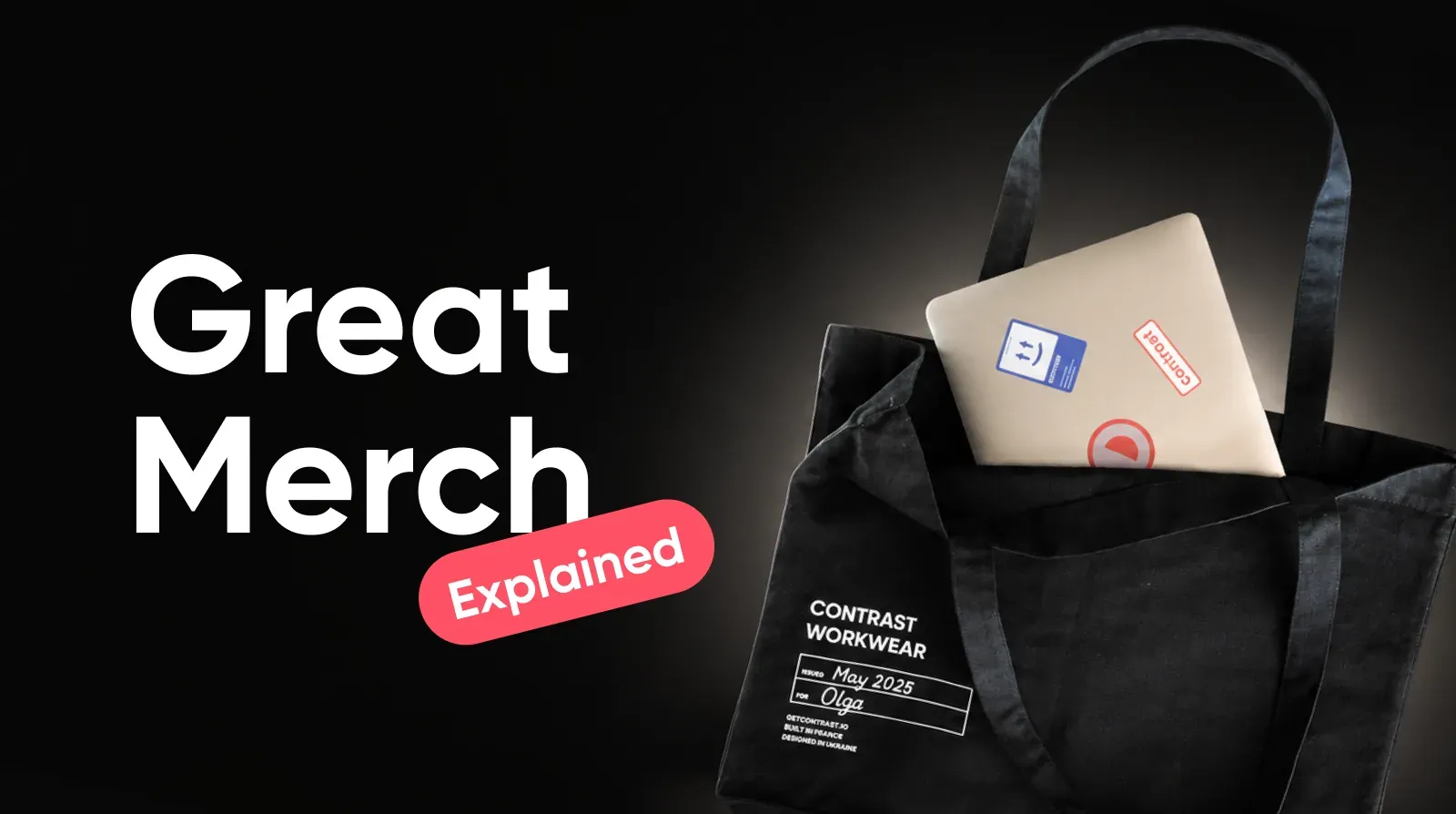
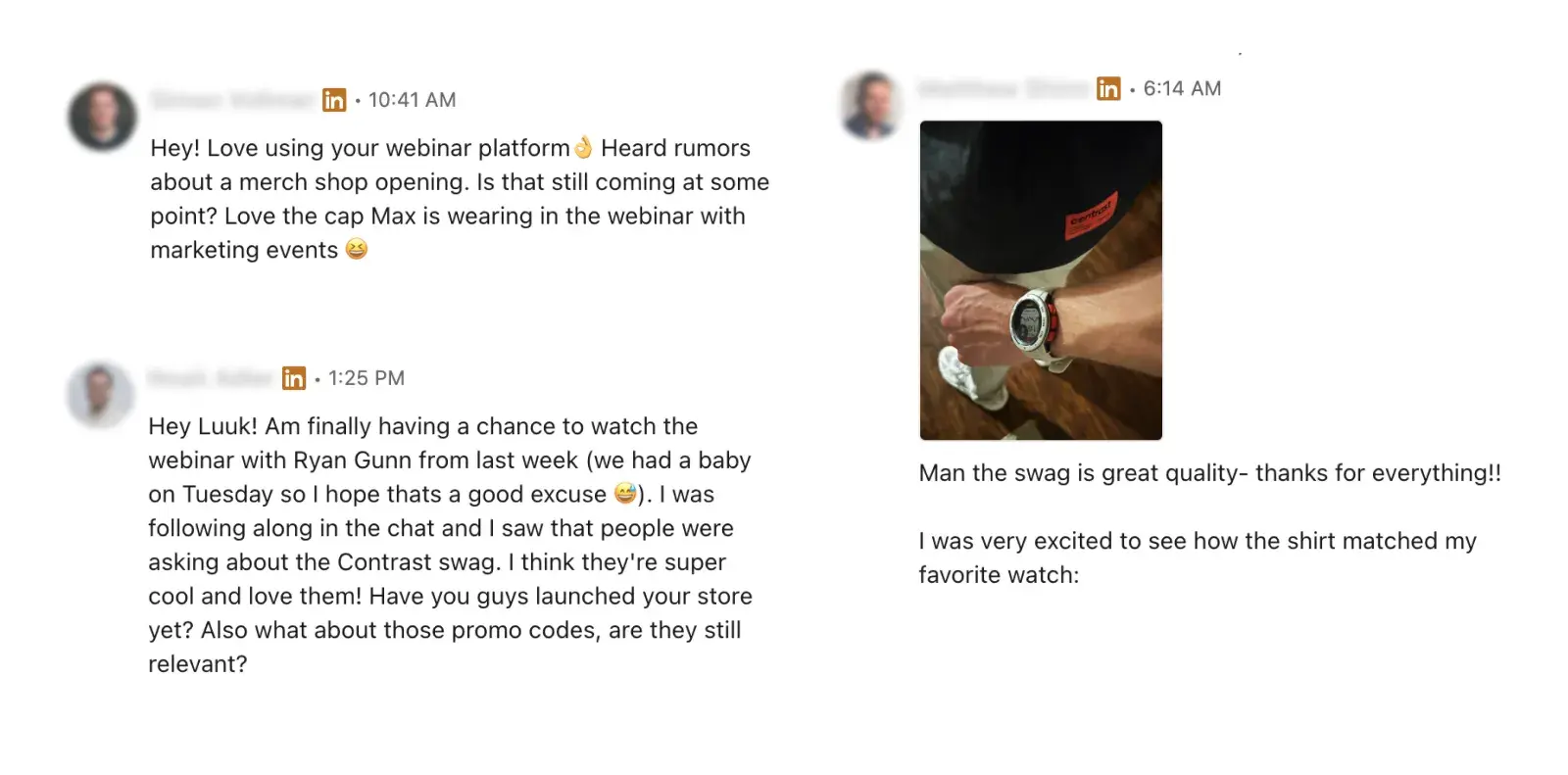
Let’s be honest, most merch sucks. Some are thrown away immediately, some will be hidden in a drawer for years. And yet companies spend nearly $27 billion every year on branded merchandise in the U.S. alone.
Merch is one of the few ways a brand can exist beyond a screen. People can touch it, wear it, use it, and live with it. That matters more than ever. We live in a world where everything from ads and websites to videos and even conversations can be generated by AI. As digital experiences become easier to create and harder to trust, physical ones become even more important.
And yet many companies treat merch as an afterthought. A premium software company hands out plastic stress balls. A design studio gives away generic promotional pens. A company that talks endlessly about craftsmanship orders the cheapest hoodie it can find. One of the few physical expressions of the brand ends up communicating the exact opposite of what the brand stands for.
Measuring success by the number of items you gave away is misleading. People accept it because it’s free and because they don’t want to be rude. But will it survive the way home or next decluttering? That's what matters.
At Contrast, we have a simple rule when it comes to merch. If we don’t believe people would genuinely want it, we don’t make it. We start by asking what deserves a place in someone’s life. Only then do we figure out if, and how our brand fits into it.
How to create merch people want to keep
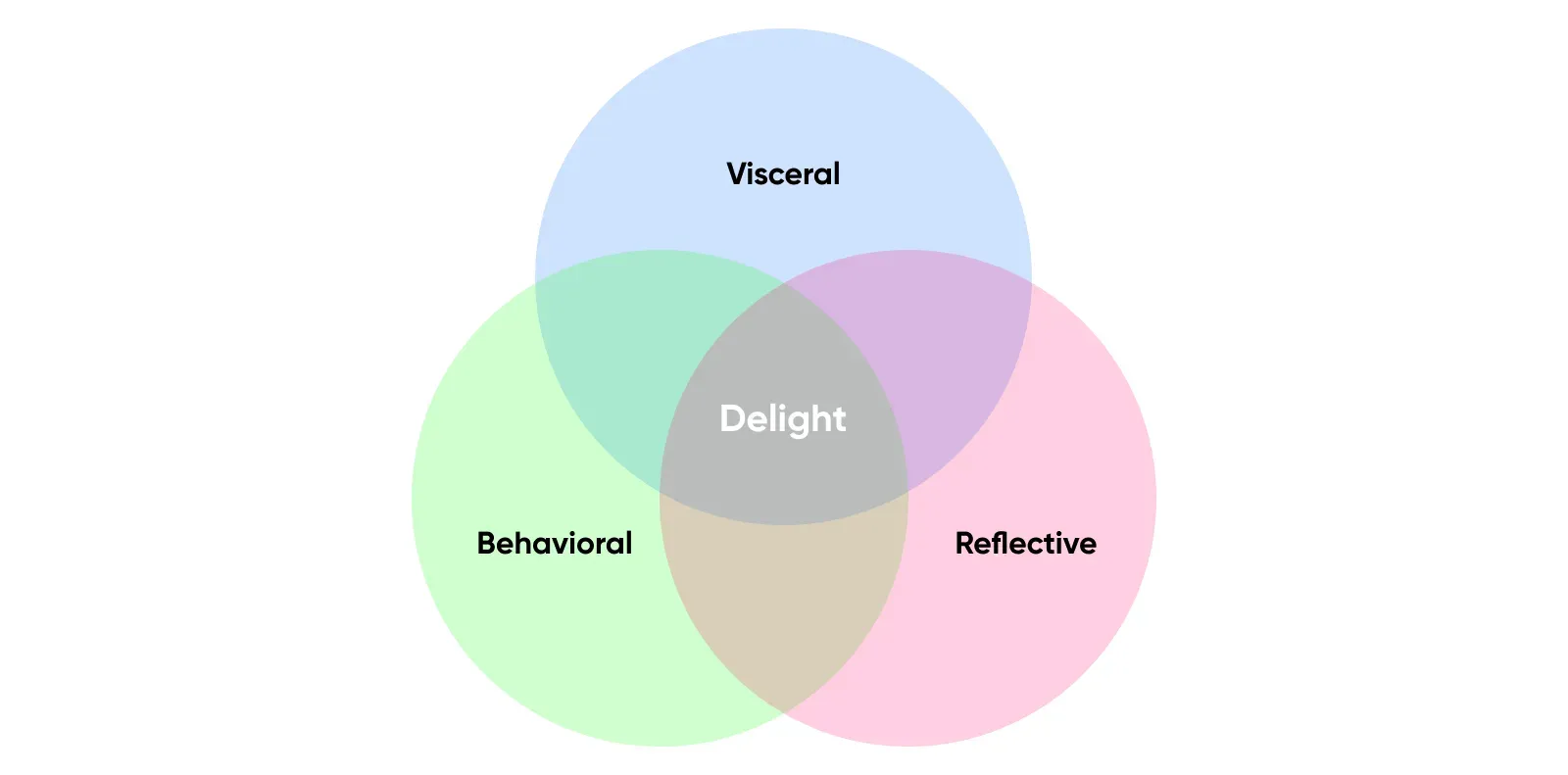
If we synthesize Don Norman’s ideas (Emotional Design), the objects people keep usually succeed on three levels.
Behavioral
It has to earn its place. Not just by being useful, but by giving a better experience than the alternatives. The water bottle you can open with one hand while driving. The hoodie that’s made of heavy fabric that keeps its shape and color for years. The backpack that stands upright when you put it down, with straps you can wear all day and keeps your laptop dry when you’re caught in the rain. These aren’t just useful objects, they are the best versions of themselves. The default that people reach for. They become impossible to replace.
That’s the mindset we applied when designing our running cap. We didn’t start with the logo. We started with the experience. It had to be lightweight, quick-drying after a sweaty run, breathable enough to stay cool under the sun, foldable enough to fit into a pocket or running vest, and finished with reflective details for early morning and evening runs. The goal wasn’t to make a branded cap. It was to make someone’s favorite running cap.
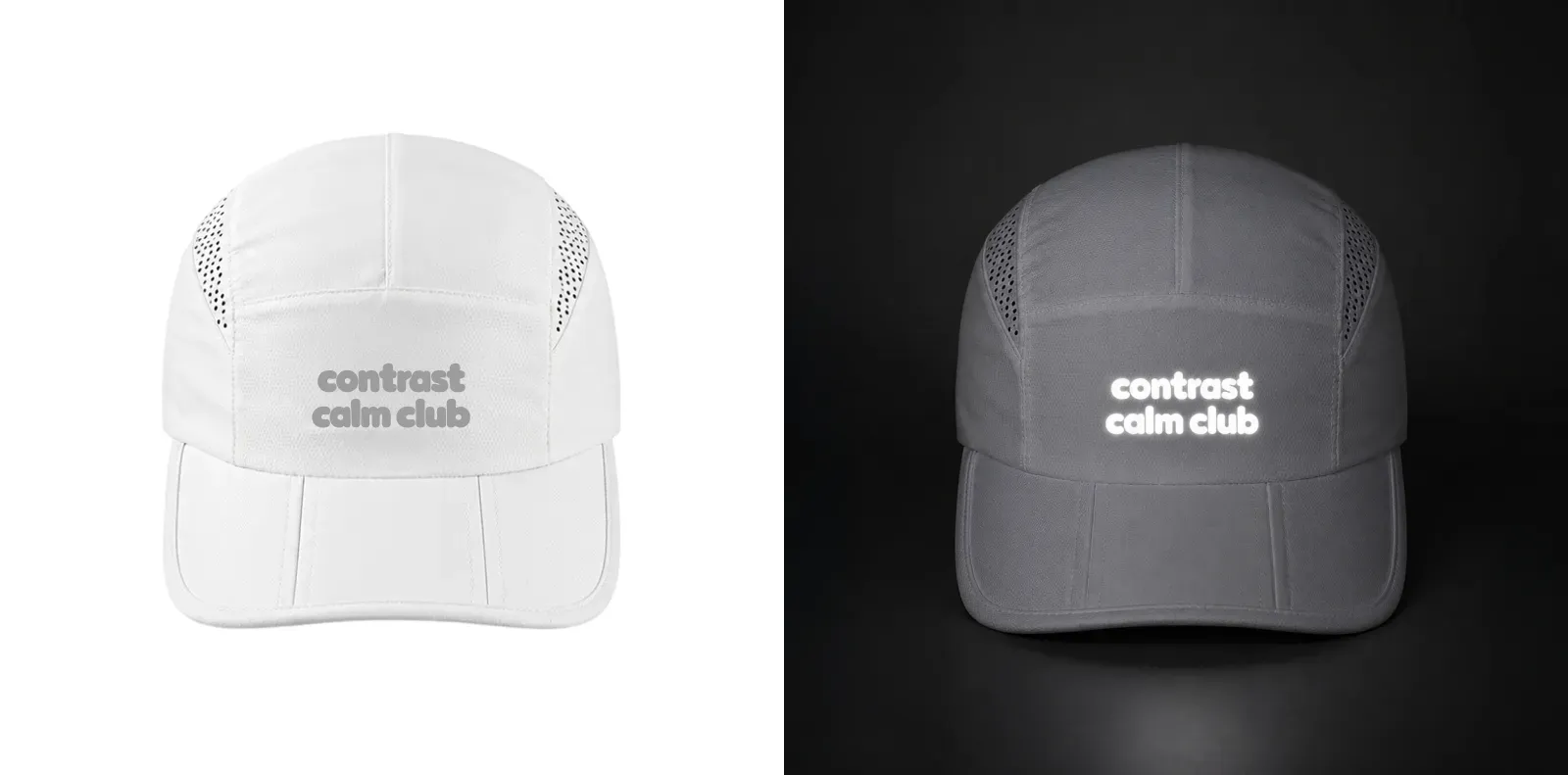
Running cap created for participants of Contrast’s sunrise run before the first day of HubSpot’s UNBOUND 2026 conference in Boston. The run was designed to offer a moment of calm before the busiest days of the conference.
Visceral
People rarely discover how great an object is if they never wanted to pick it up in the first place. We know whether we’re drawn to something almost instantly. Its shape, proportions, materials, texture, colors, and craftsmanship all send signals before we’ve had a chance to use it.
How to make something desirable? Not by adding a logo, but by designing it like a product someone would want. Every detail should have a reason to exist. The proportions should feel balanced. The materials should feel considered. The color palette should feel intentional. Nothing should look like it was added simply because there was space for it.
People may not be able to explain why they like an object, but they can almost always tell when it has been designed with care.
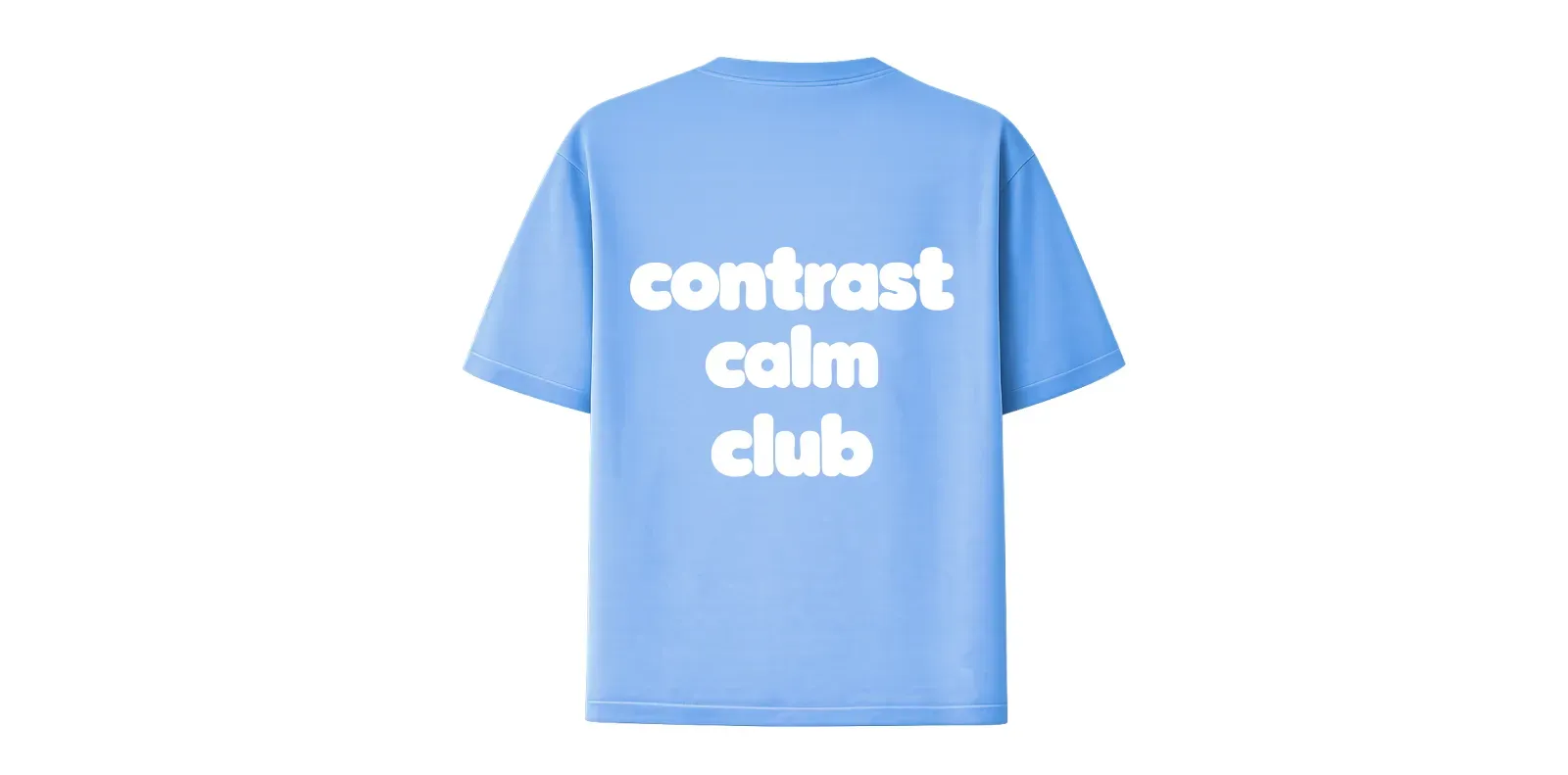
For our Calm Club T-shirt, every design decision started with the same question: Does this feel calm?
That’s why we chose a soft sky-blue fabric instead of our Contrast Red brand color. The lettering was printed using puff ink, giving it a soft, cloud-like texture you can actually feel. The typography was drawn with rounded shapes to give this same calm feeling. Every detail reinforced the same idea. That’s what makes a product feel intentional.
Reflective
The most valuable objects represent something bigger than itself. They become part of our identity. A university hoodie represents who we’ve been. A marathon medal shows what we’ve achieved. Company stickers with the insider joke represent the group we belong to now. None of these are kept just because they’re useful or beautiful. They are part of who we are.
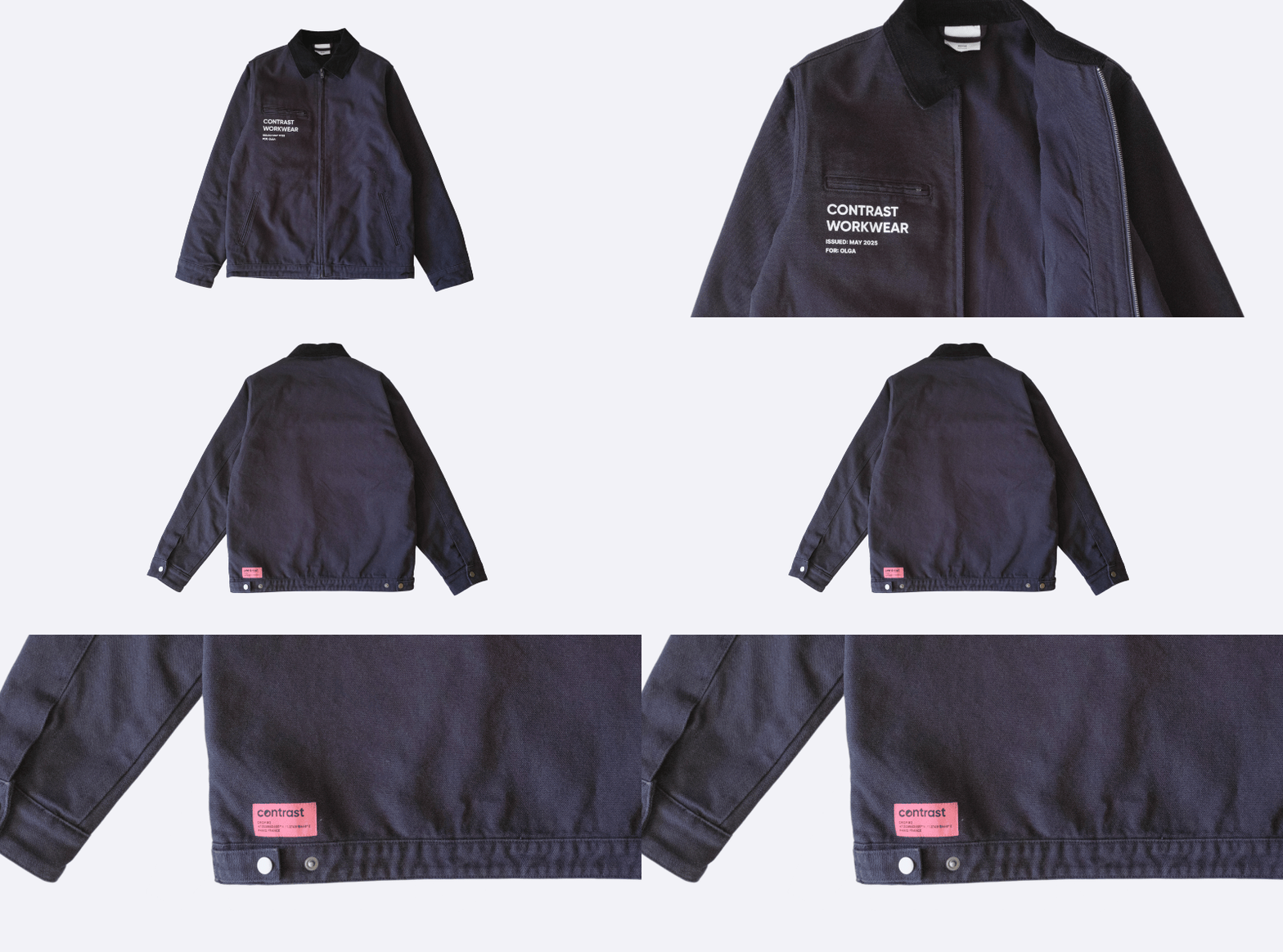
We designed our Workwear jackets to be more than just another piece of clothing. We wanted them to capture a specific moment in time and the people we shared it with. Each one carries its owner’s name and issue date. A woven label on the back marks the drop number and the coordinates of the place where our team came together. None of those details make the jacket more functional. They simply make it personal. It stops being just a jacket and becomes part of your own story.
It might sound like too high a bar for merch. But we’ve become so used to treating it as a promotional tool that it’s easy to forget it began as something much more meaningful.
How merch lost its meaning
The first merch wasn’t commercial. The earliest examples go thousands of years back. People wore things that represented their religion, political views or membership in the community. Think of Roman military insignia, medieval pilgrim badges, or heraldic pins.
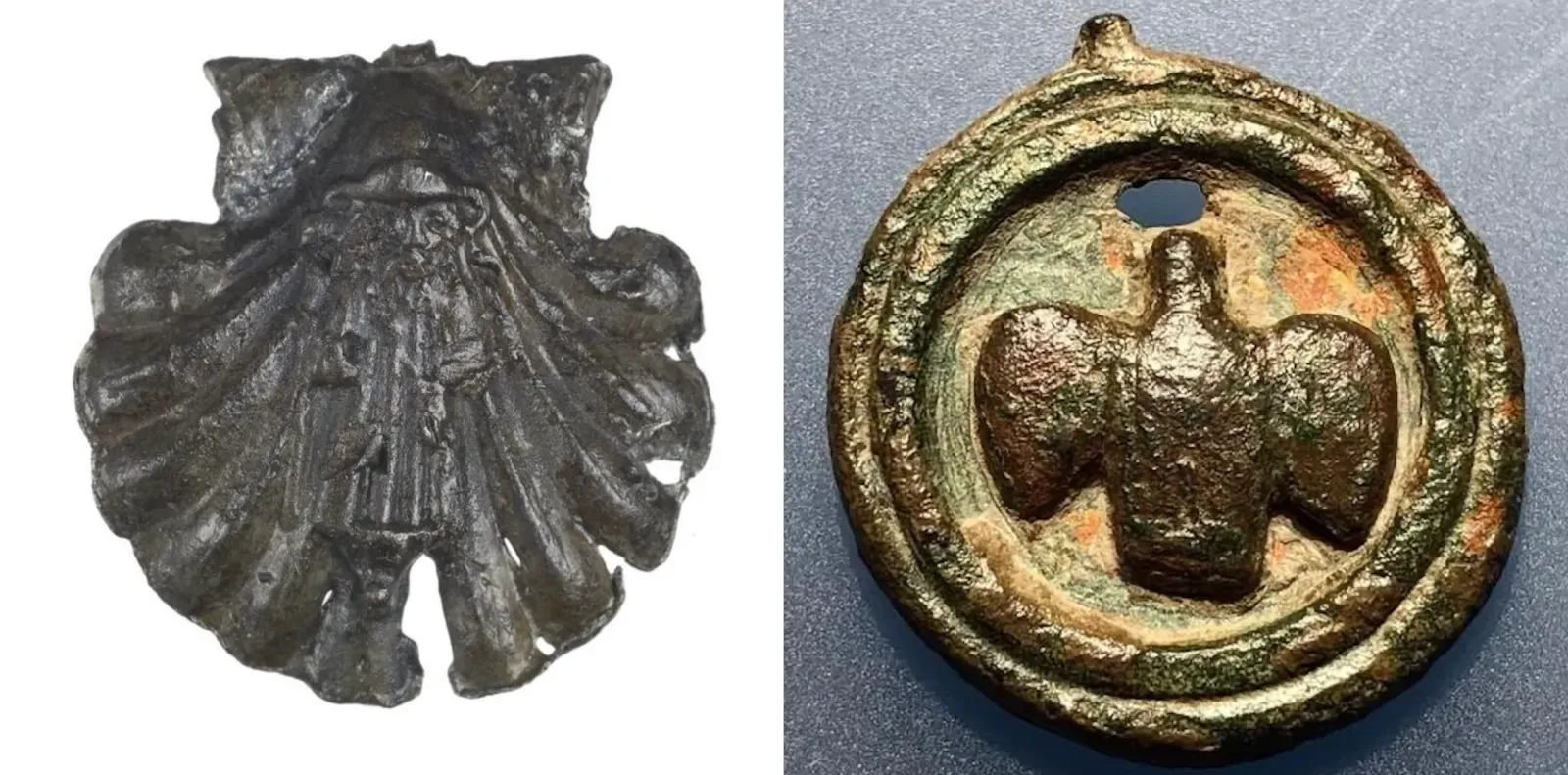
A medieval pilgrim badge on the left and Roman decorative military medal on the right
In 1789, supporters of George Washington wore commemorative buttons and ribbons during his first inauguration. It was about identity, belonging and signaling. Exactly the same reasons people wear company hoodies today.
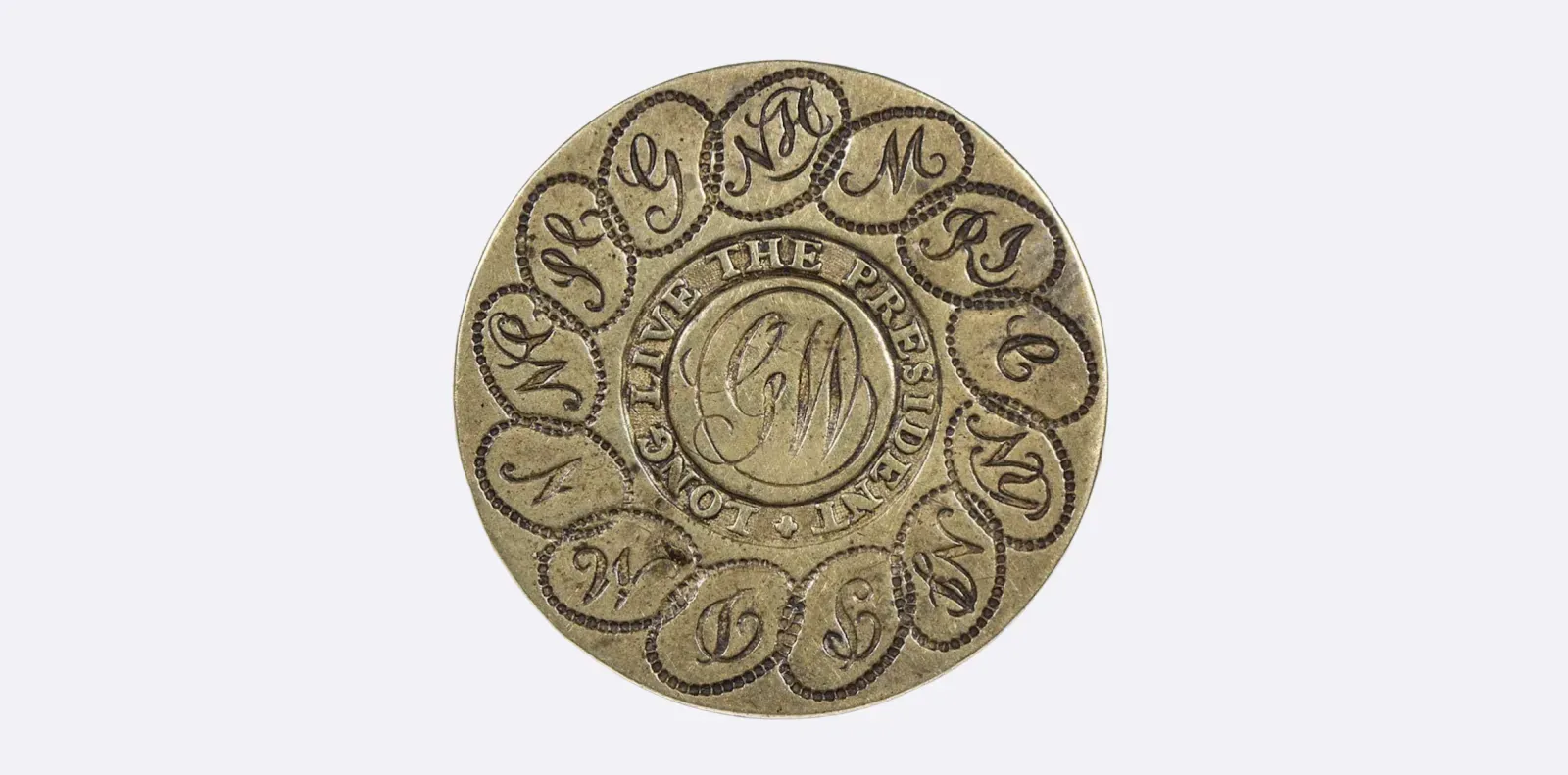
Supporters of George Washington wore inaugural buttons in 1789 to publicly signal political allegiance, one of the earliest examples of modern wearable merch.
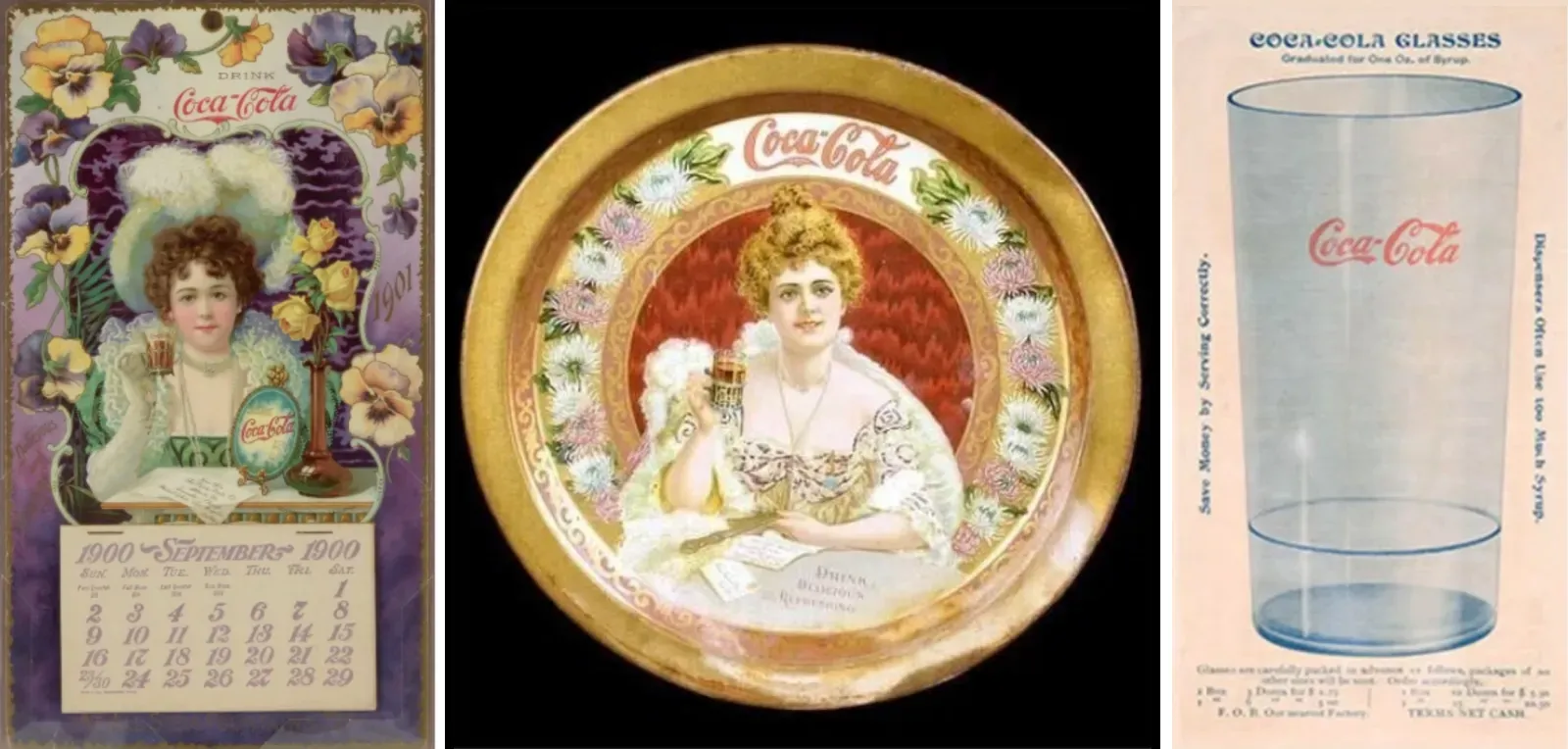
In the 1800s companies like Coca Cola realized that physical objects can keep the brand present much longer than advertisements in a newspaper. They started making branded glasses, trays, and calendars that became part of people’s everyday lives.
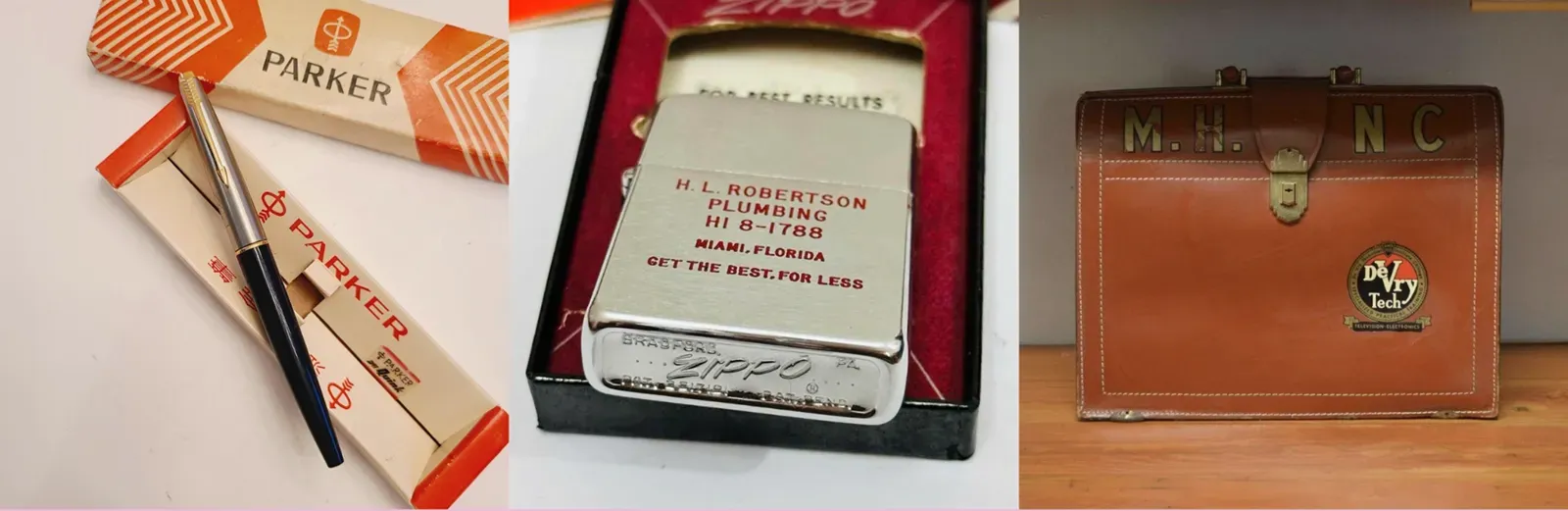
Later there were zippo lighters, Swiss army knives, leather briefcases. They weren’t swag, they were handed to important customers, executives and partners.
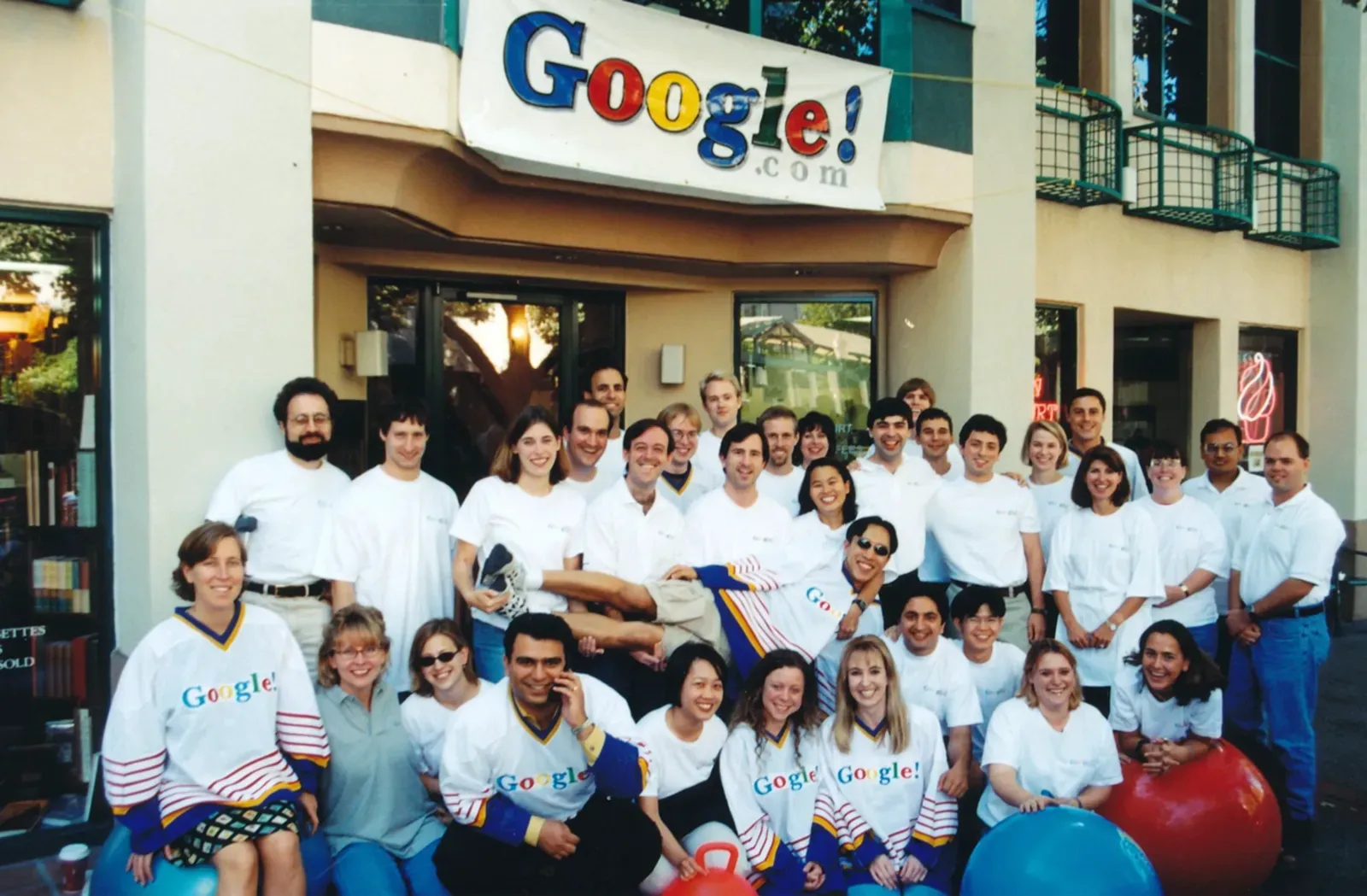
Startup culture picked that up to make ‘uniforms’ for their teams. Employees wore them because they belonged to something cool. Not because they had to.
At some point trade shows exploded. Production became way too affordable. So every company started to make cheap plastic pens, synthetic one time use backpacks and umbrellas that wouldn’t survive their first rain.
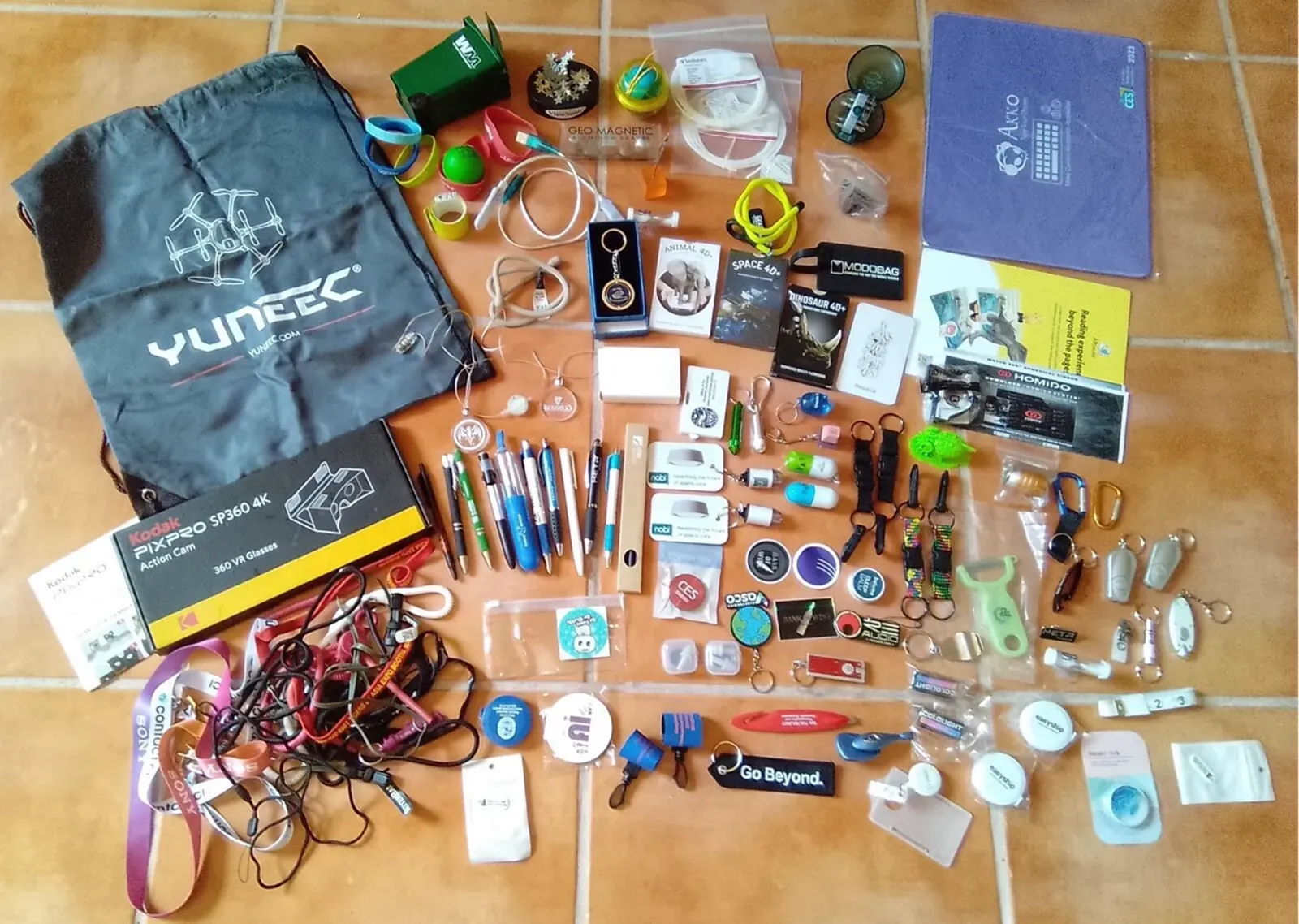
Meaning was lost in the race to maximize impressions and lower the price per unit.
The merch renaissance
At some point being free wasn’t enough. People started to see it less as a gift and more like one more item to carry home, store and eventually throw away. At the same time conversations around sustainability, overconsumption and waste have become impossible to ignore.
The best brands started to make fewer items, invest more in quality, and treat merch less like a promotion but more as a product. Some of them opened up their own merch shops. They dared competing with people’s favorite apparel brand instead of other conference giveaways.
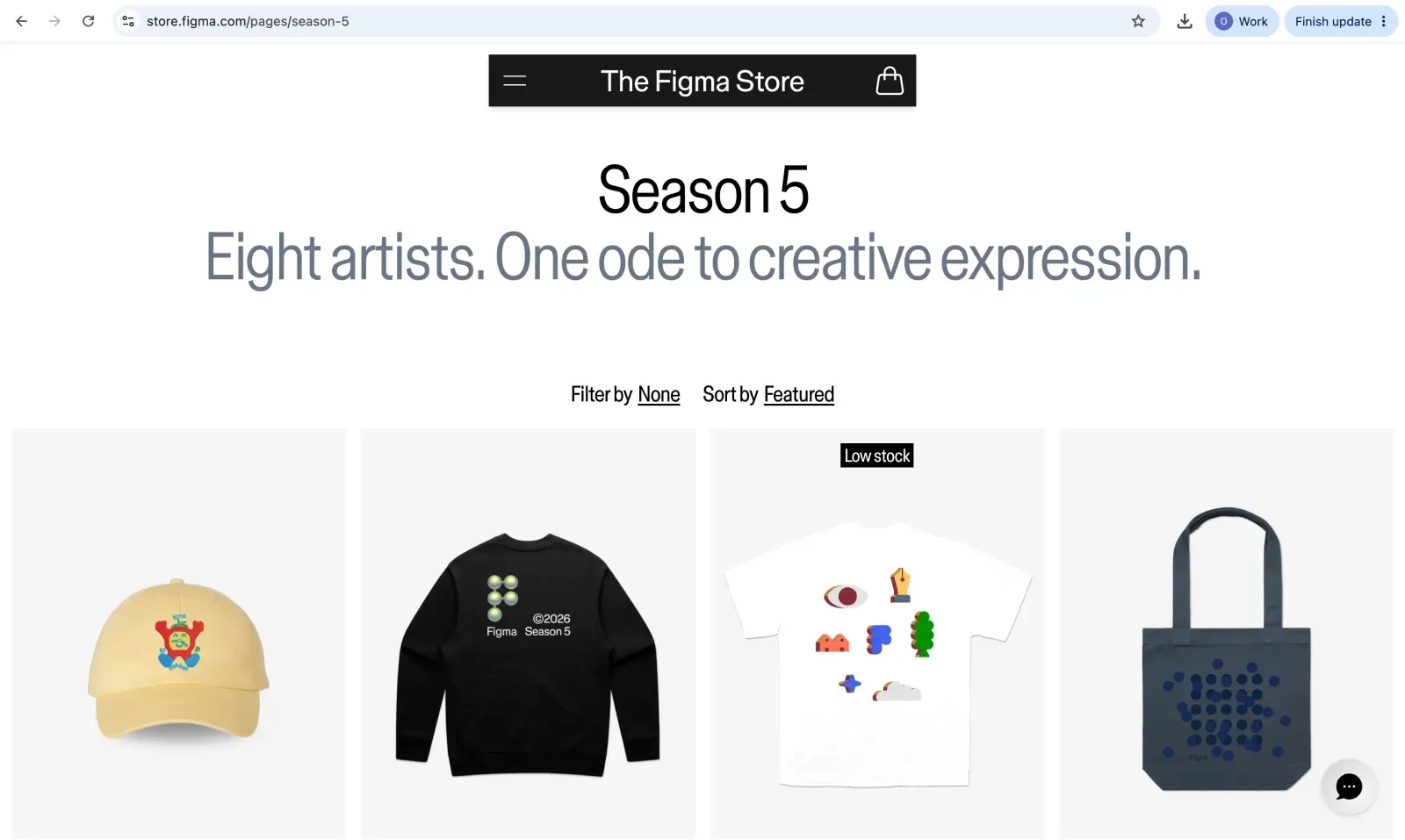
The uncomfortable truth is that many companies don’t have a merch problem. They have a brand problem.
When someone chooses to wear your hoodie, they’re telling the world something about themselves. If your product is genuinely loved, your company has a clear point of view, and your community feels proud to be associated with you, merch can deepen that feeling. If not, merch won’t create it.
Great merch doesn’t create love for a brand. It builds on the love that’s already there.
How to create meaning
What if you want to reach people who don’t know your brand. There’s no relationship yet. And there’s no way a freebie alone will create it.
Imagine you have 2 identical caps. The first was picked up at a random booth after scanning a qr code. Another one earned by finishing a sunrise run in Boston with a group of other marketers before the busy conference started.
Identical caps. Different story. The cap becomes a reminder of that morning run. The company organizing it is part of the memory. The meaning doesn’t come from the cap. If someone left without it, the memory is still there. But the same cap without the run is just another cap.
The truth is you can’t fake meaning. But creating it is where the most opportunities are today. Instead of creating products to be given away, companies can design experiences worth remembering. And then create objects that will hold that memory, will be useful and beautiful.
Before you make your next piece of merch
The next time you’re planning merch, don’t start with suppliers or print techniques. Start with a few uncomfortable questions.
- How can we make sure people will genuinely want to wear or use this?
- How can we make sure we’re choosing the best version available?
- How can we give it meaning?
- How can we make our brand belong naturally, instead of forcing it on?
- Six months from now, when someone is decluttering their home, will this survive?